The Powerful Influence of Clean Water on Childhood Development
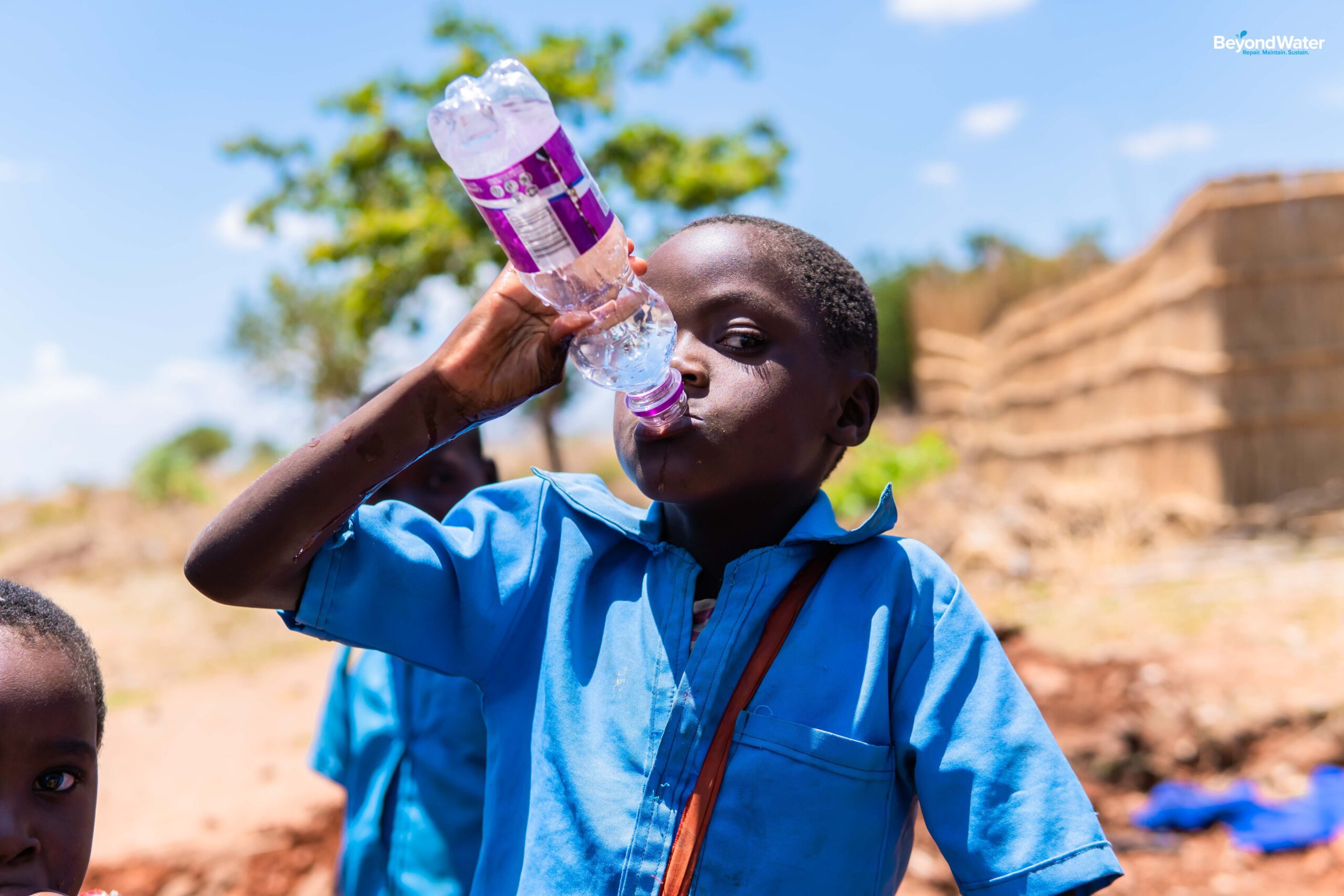
When we picture a happy childhood, we think of school-day triumphs, the laughter of friends, and the freedom of playing outside until the sun sets. We rarely stop to consider the invisible foundation behind those moments, the bare necessities. Yet a reliable source of clean water is the foundation upon which every other “little happiness” is built.
For a child in a disadvantaged community, water is never “just” a drink. It is a fundamental building block of biological, cognitive, and social potential.
The Biological Need for Water
A child needs safe water to grow strong, but their bodies are far more sensitive than ours. Because they are still developing, children are hit hardest by dehydration and the hidden dangers in contaminated water. This vulnerability makes them easy targets for illness, malnutrition, and stunting.
Clean water is the key that unlocks the nutrients in food. Even with a healthy diet, a child can become malnourished if their body is unable to absorb what they eat. When a child’s system is forced to battle waterborne diseases like cholera, energy is stolen away from growth and redirected toward survival.
Furthermore, drinking unsafe water keeps a child’s immune system in a state of constant stress. This persistent stress causes chronic inflammation that can lead to stunting. Stunting is a condition that permanently restricts a child’s physical height and prevents their internal organs from fully developing.
Water for Cognitive Development
The brain is fuelled by water and needs it to function properly. For a child, the difference between clean water and water insecurity is often the difference between excelling in school and struggling to attend.
Dehydration impairs the brain’s ability to process information, resulting in shorter attention spans and poor short-term memory. Even mild dehydration can impair short-term memory, perceptual skills, and attention spans. Studies show that children with consistent access to water during school hours perform significantly better on cognitive tasks and memory tests than those without (Booth, Taylors, and Edmonds, 2012).
Cognitive development is not only impacted by the biological need for water. When a child must worry about when they will be able to drink water and if it is safe, their brain gets stuck in ’survival mode’. The anxiety and stress constantly consuming children lead to high cortisol levels which can impact long-term memory and learning ability.
The Social Cost of Water Insecurity in Children
Clean water shapes every part of a child’s day. In many water‑poor regions, a child’s ability to attend school, stay healthy, and simply enjoy being young is determined by their access to safe water. Their daily routines become defined not by learning or play, but by the long, exhausting search for a basic necessity.
The burden of water collection remains one of the biggest barriers to education in developing countries. Children, especially girls, spend hours walking to distant water sources, leaving little time or energy for school. Without a reliable, nearby waterpoint, childhood is cut short. Instead of exploring their potential, many children must prioritise survival over opportunity.
The impact of water insecurity is especially significant for children as they enter puberty. Access to safe water and private sanitation often determines whether they can continue their education. For girls in particular, the lack of clean water for menstrual hygiene is a major driver of school dropout rates worldwide. When schools lack adequate hygiene facilities, such as clean and private toilets, attendance drops and educational attainment suffers. Something as simple as a safe place to manage basic needs can be the difference between staying in school and being left behind.
Clean Water as the Foundation for a Bright Future
Access to clean water is more than a basic need. It is the starting point for health, dignity, and opportunity. When children have reliable access to safe water and proper sanitation, their entire world opens. They can attend school consistently, focus on learning, and participate fully in childhood without the constant weight of illness or long journeys to collect water.
Investing in clean water is one of the most powerful ways to break cycles of poverty and unlock potential. It strengthens communities, supports gender equality, and gives every child the chance to imagine a future shaped by possibility rather than limitation. When clean water flows, so does opportunity. It becomes the foundation on which brighter, healthier, and more equitable futures are built.
Invest in clean water and support happy, healthy childhoods