What we do

 
Almost fifty per cent of the developing world’s population – 2.5 billion people – lack improved sanitation facilities, and 780 million people still use unsafe drinking water sources. Inadequate access to safe water and sanitation services, coupled with poor hygiene practices, kills and sickens thousands of children every day, and leads to impoverishment and diminished opportunities for thousands more.

Pump Aid exists to bring appropriate, affordable and sustainable water and sanitation solutions to rural Africa.

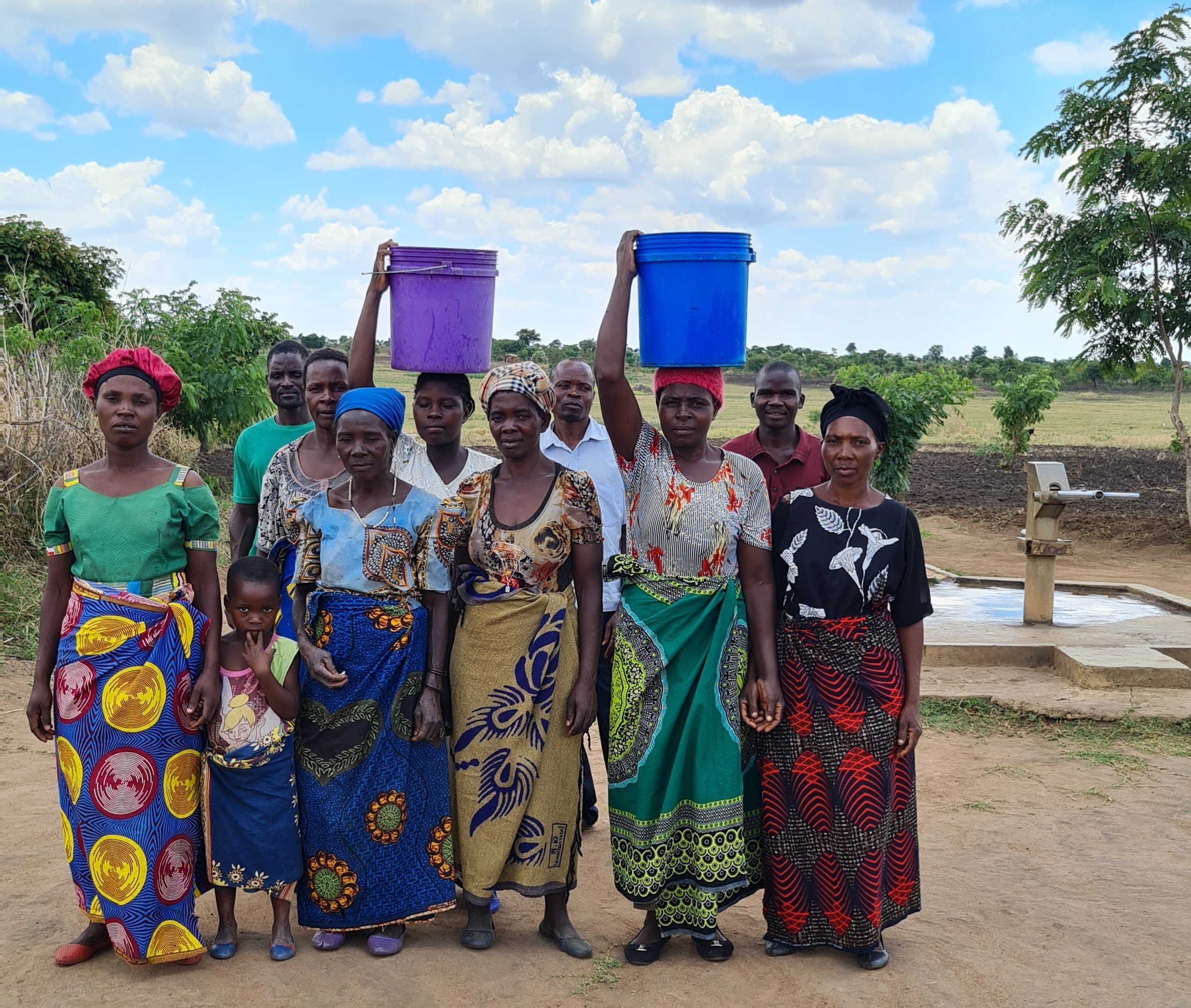
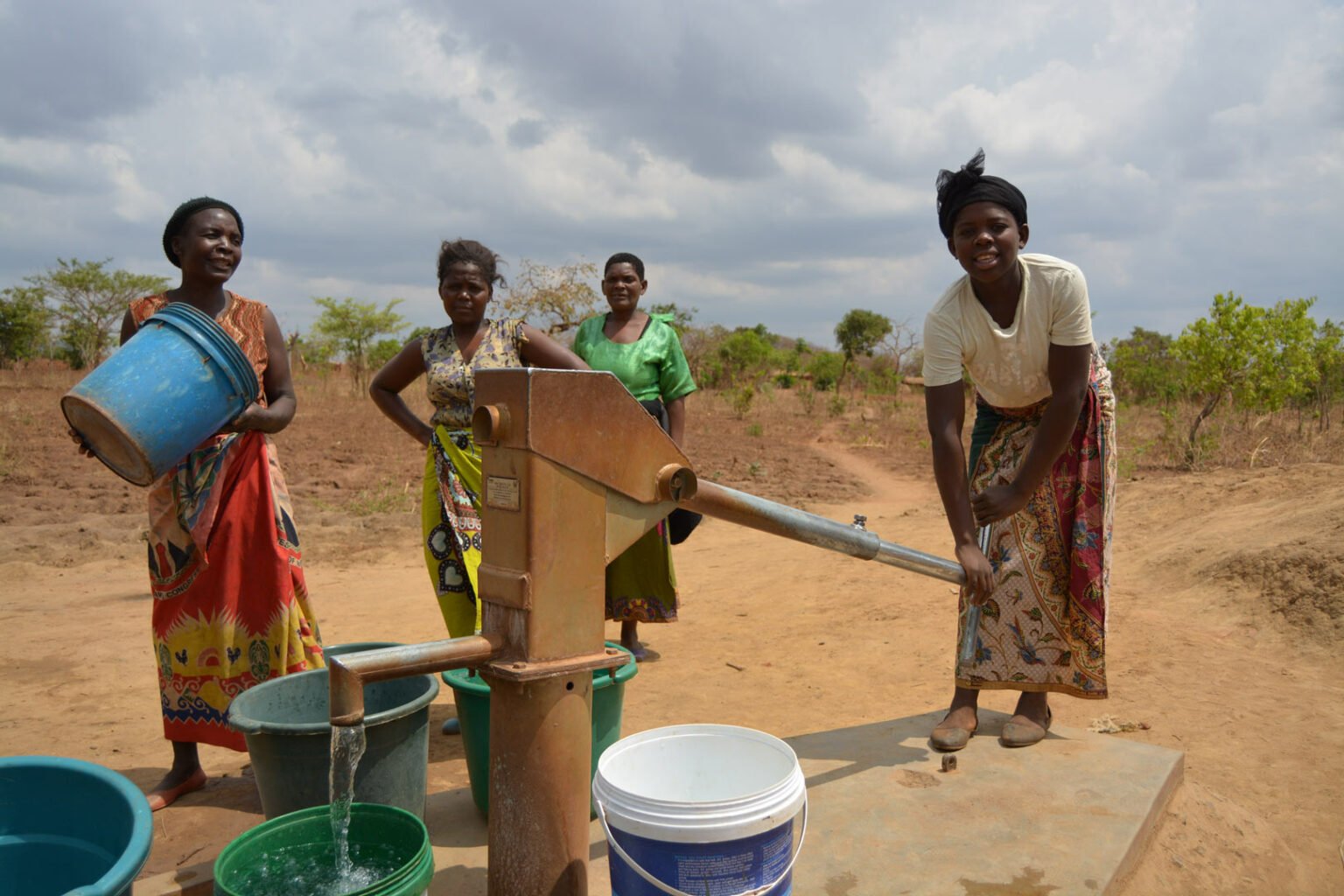
Since it was established in 1998, Pump Aid has worked with rural communities in Africa and delivered over 8,000 water and sanitation projects benefitting over 1.1 million people in Zimbabwe, Malawi and Liberia. During this time we have learnt that what really matters is not just installing the technology, but the difference that it makes to people’s lives. People are the start and end point of all that we do.

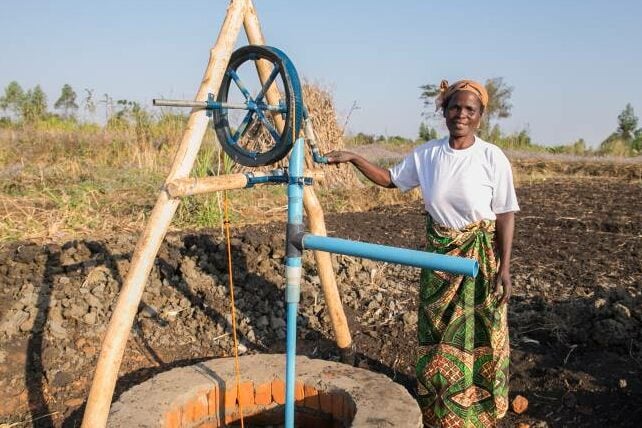
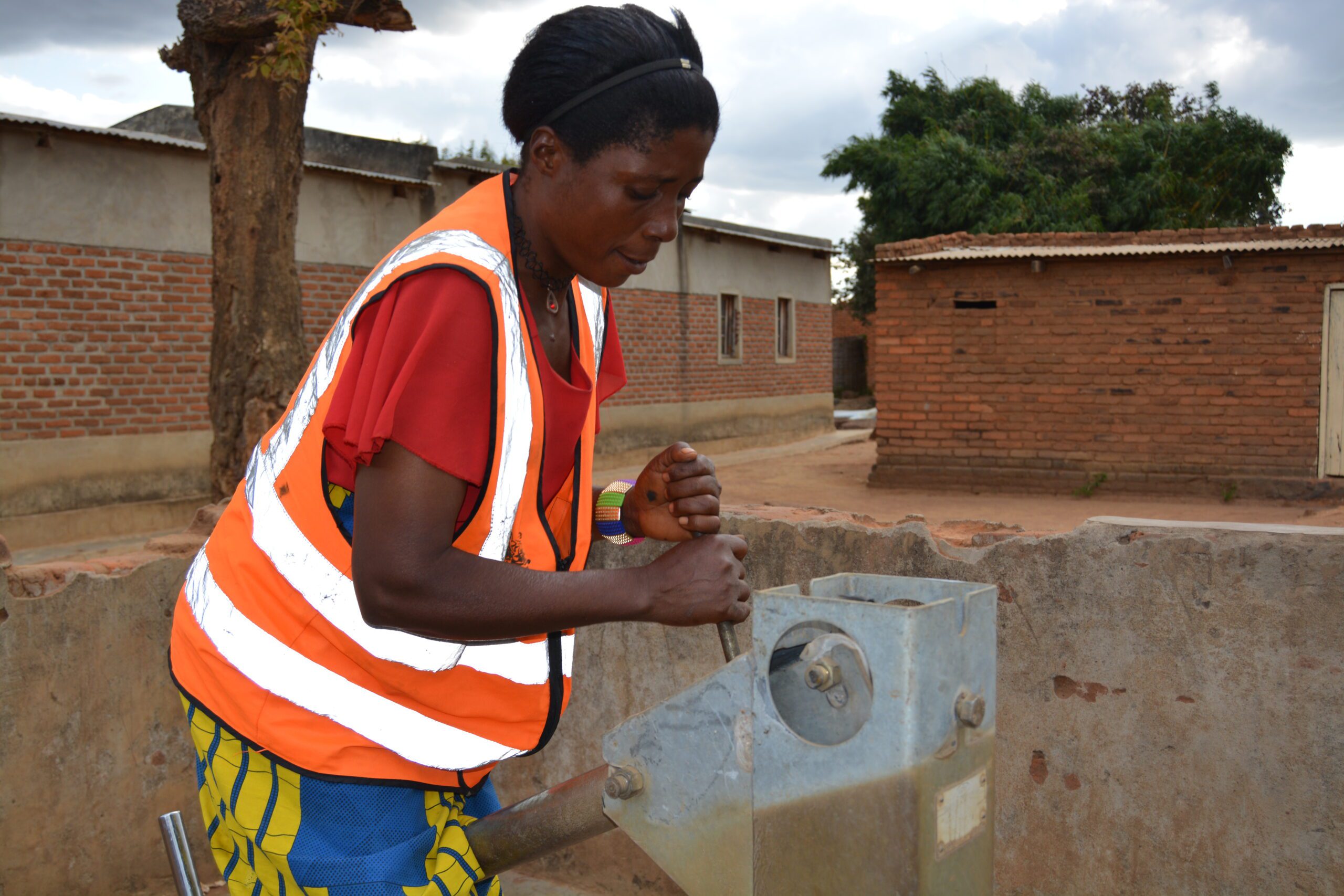
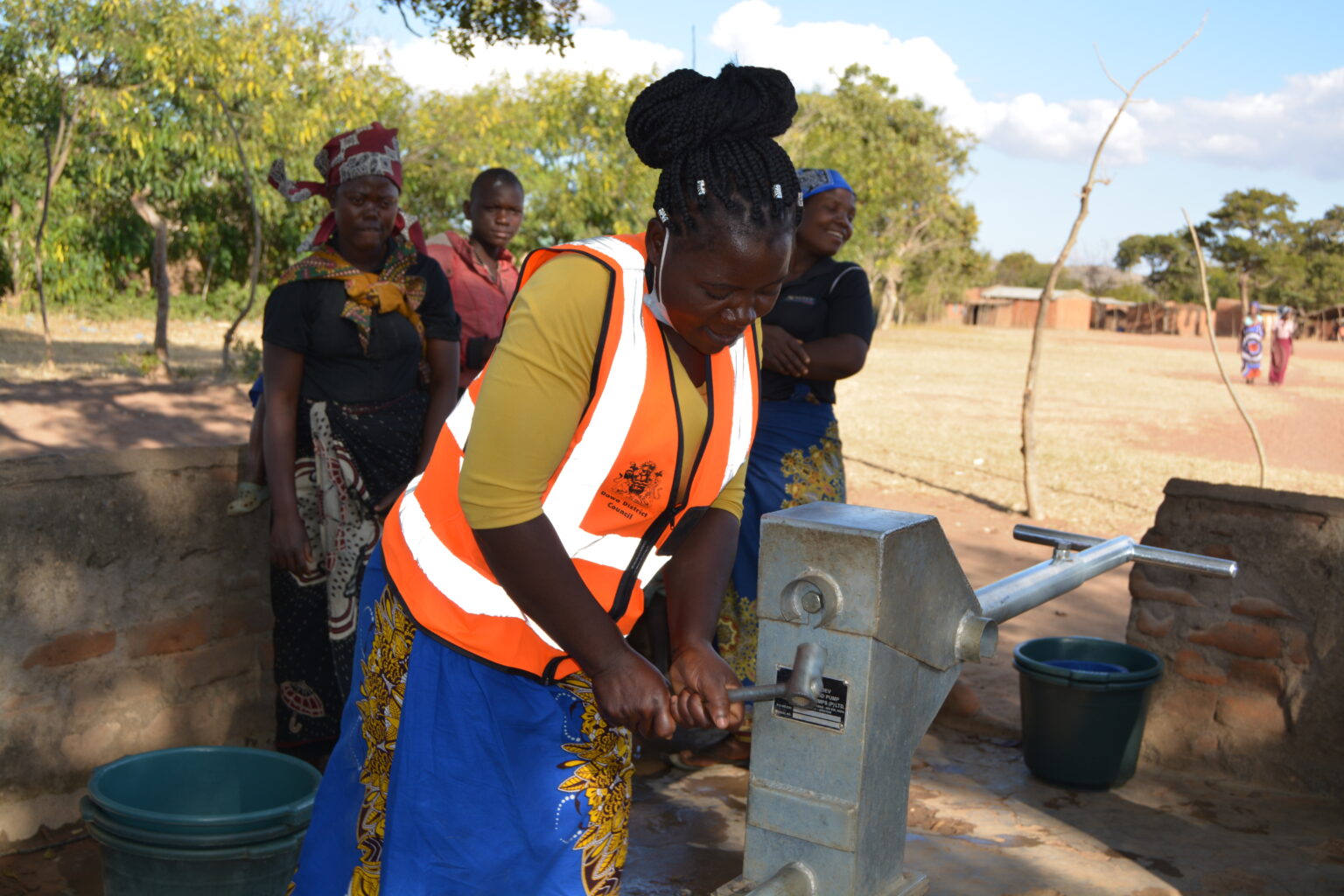
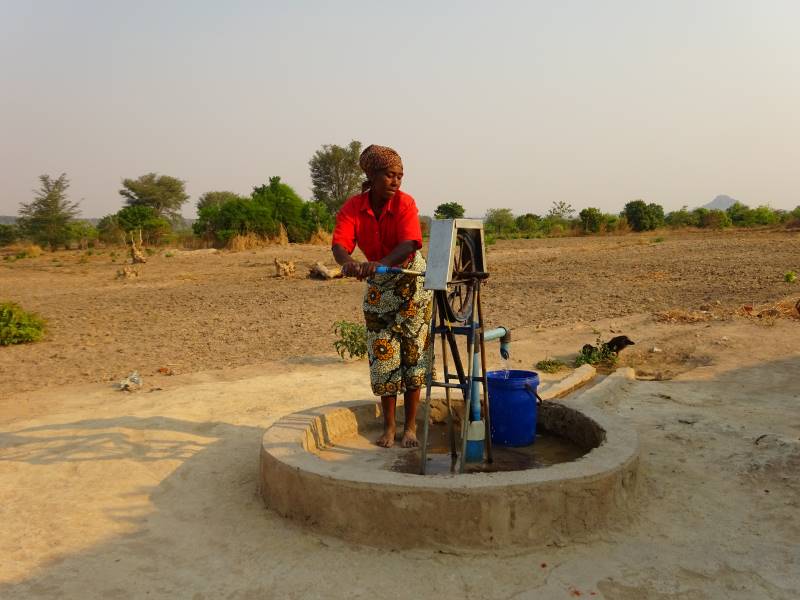
Elephant Pump in Zimbabwe

Elephant Pump in Zimbabwe. (Photo Credit Peter Nicholls)

How we work

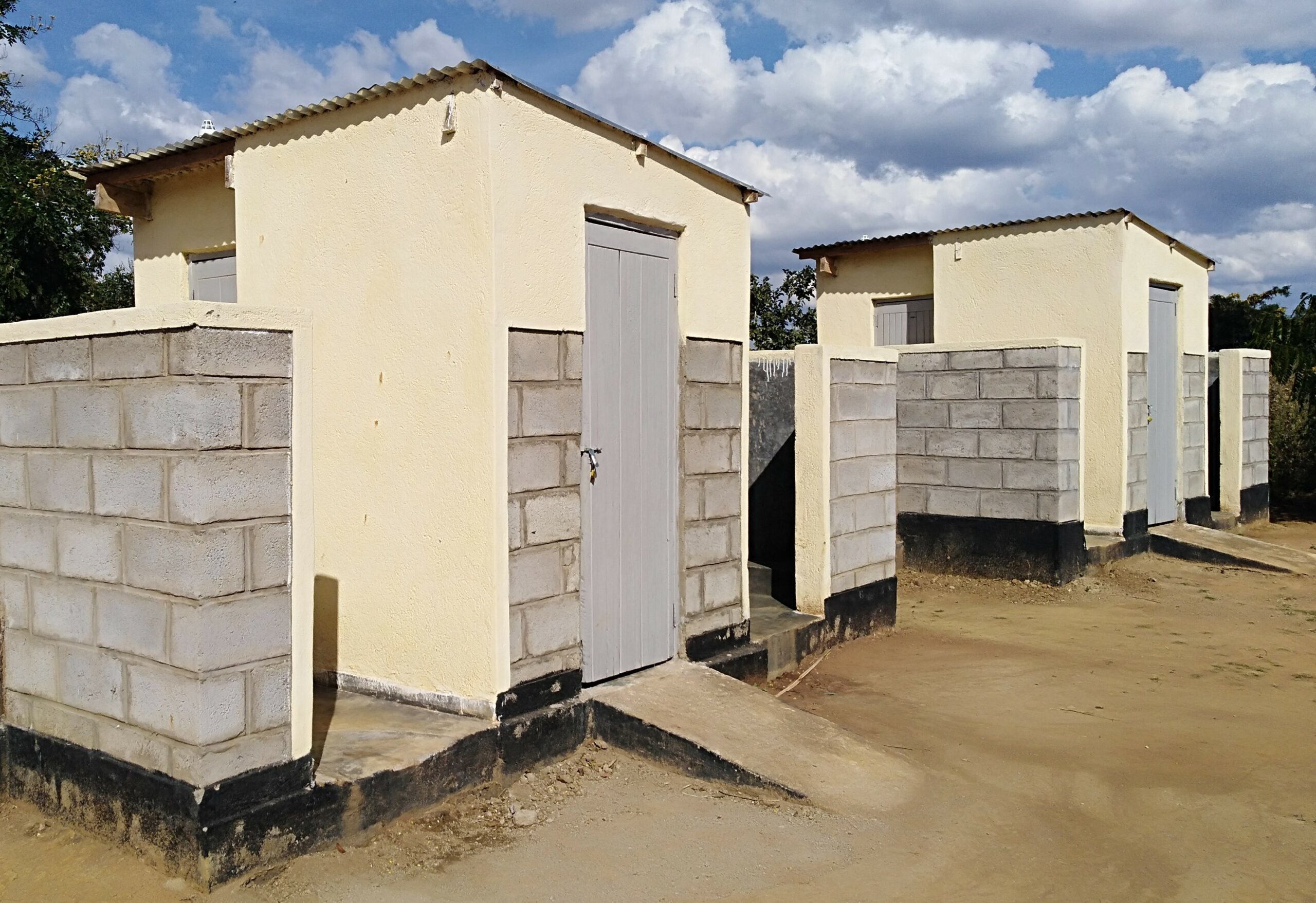
Pump Aid works directly with communities in rural Africa and water and sanitation solutions.  Our solutions are appropriate, affordable and sustainable technologies. In 2005 Pump Aid was awarded the prestigious St.  Andrews Prize for Environment and in 2006 the World Bank Prize for Innovation in Development for the Elephant Pump technology. The Elephant Pump is an adapted ancient Chinese rope pump design for water pumps that uses locally available materials ensuring the Elephant Pump’s sustainability. The Elephant Toilet was developed to tackle the issue of inadequate sanitation. This is another low cost, technology appropriate, design that communities are benefiting from and will continue to do so for many years to come. The Elephant Toilet has won the prestigious St. Andrews Prize for Environment 2008.

Our approach

Our involvement in providing water and sanitation solutions stretches beyond the hardware installation of the technology. Pump Aid recognises that to ensure sustainability the community needs to have a sense of ownership of its own water source and sanitation solution and participation in the maintenance is an essential aspect. The way we work with communities depends on local conditions. For example, in Zimbabwe we can now mostly work through training existing artisans and builders, whereas in Liberia and Malawi we employ our own.

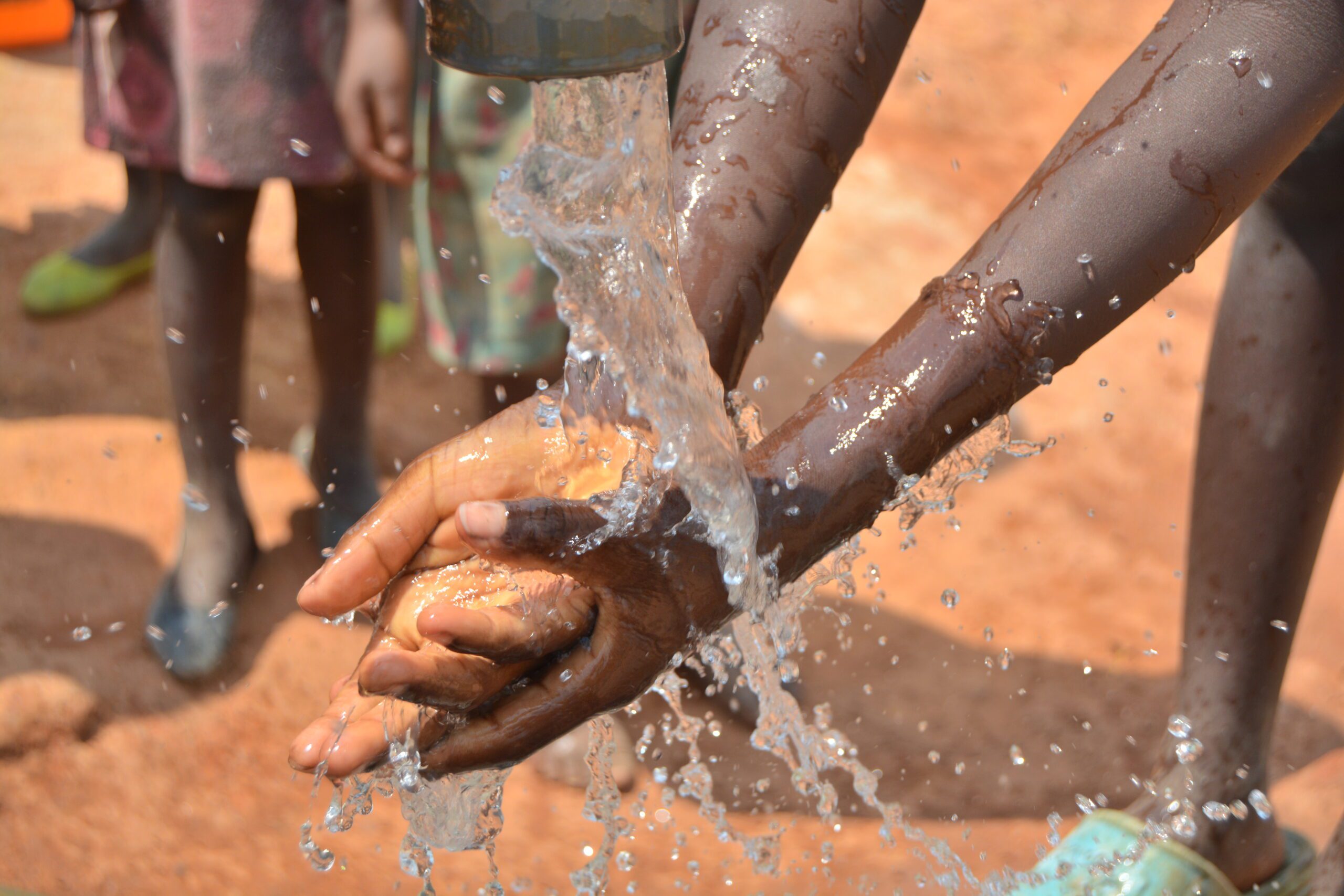
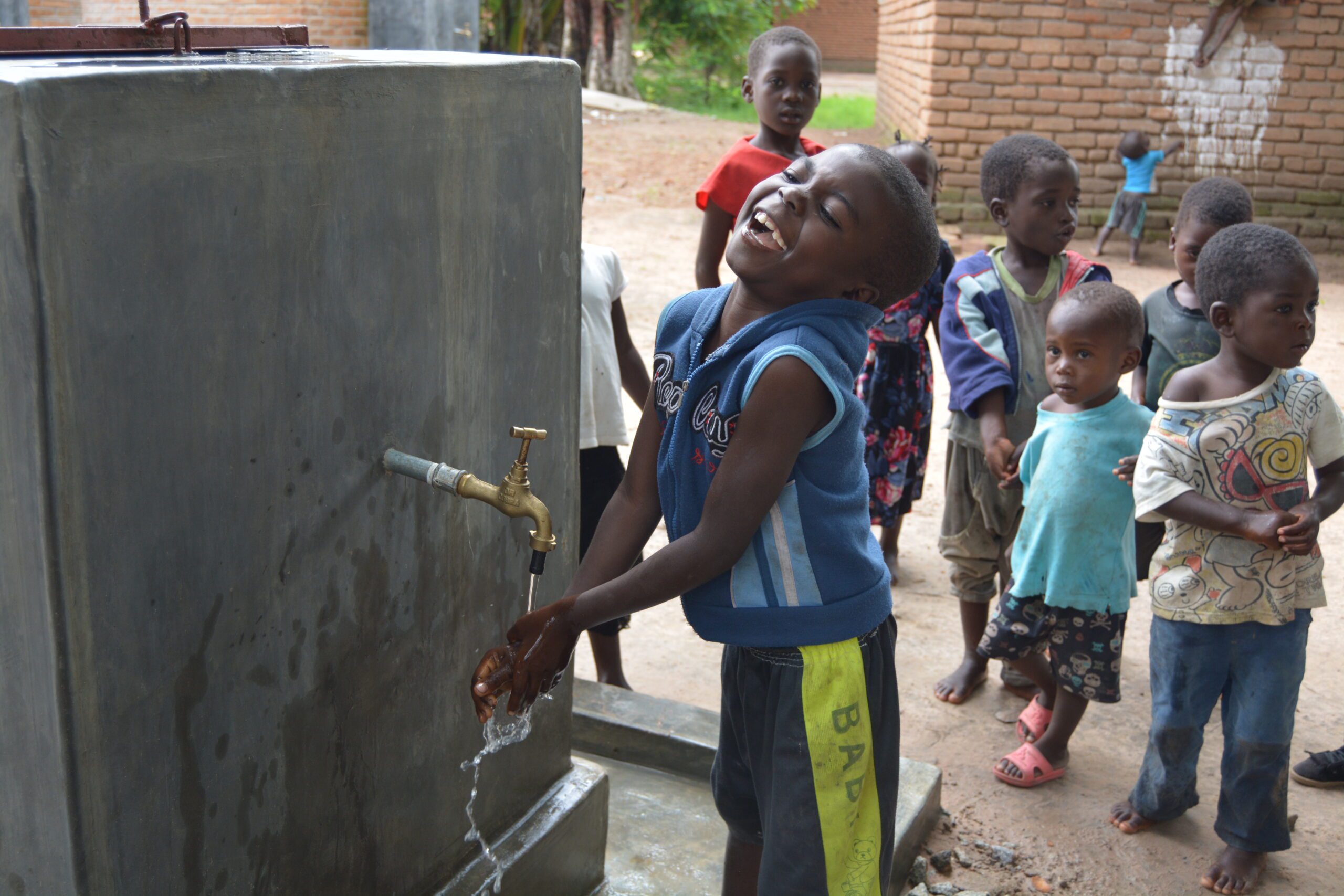
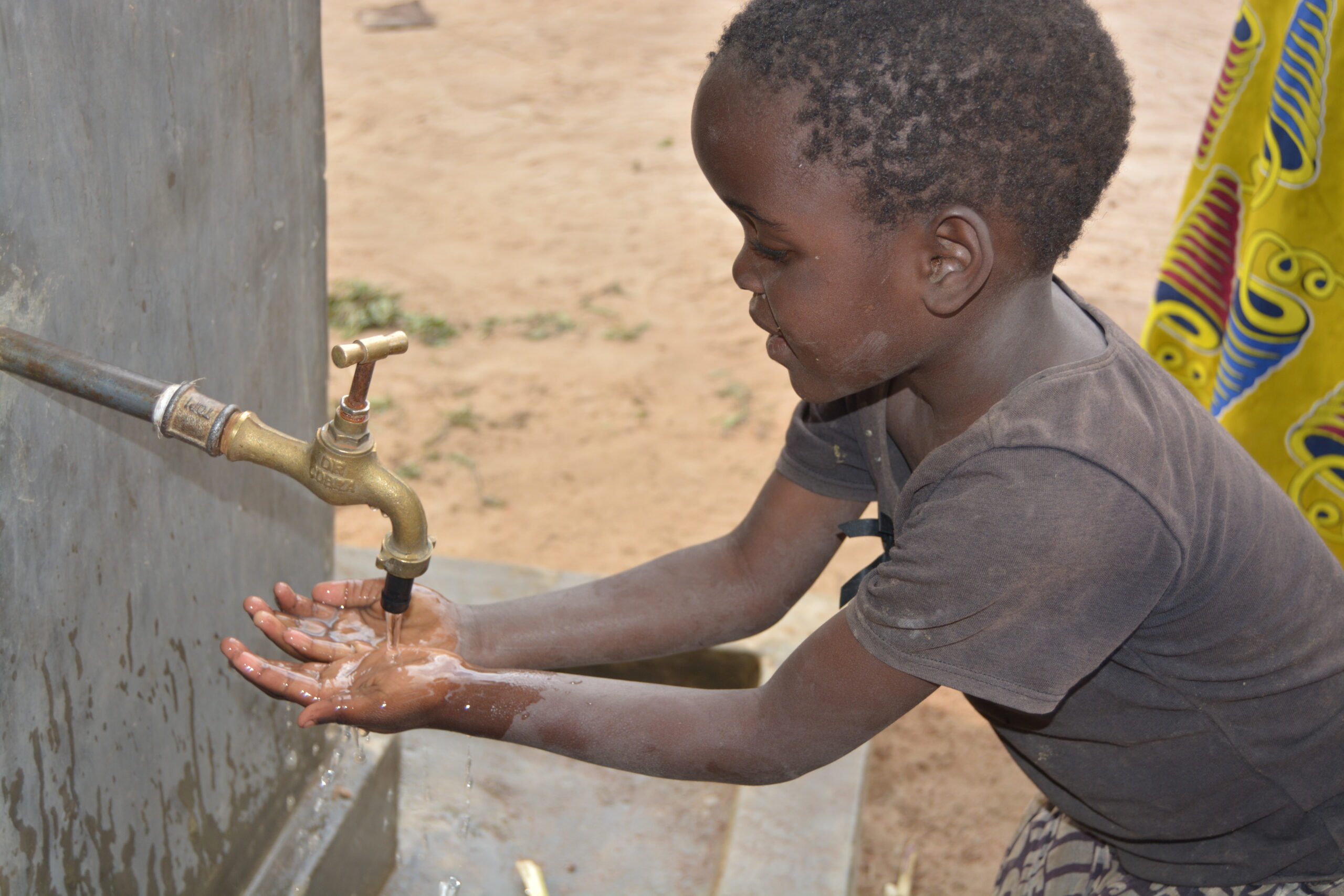
Handwashing at the Elephant Pump

Handwashing at the Elephant Pump

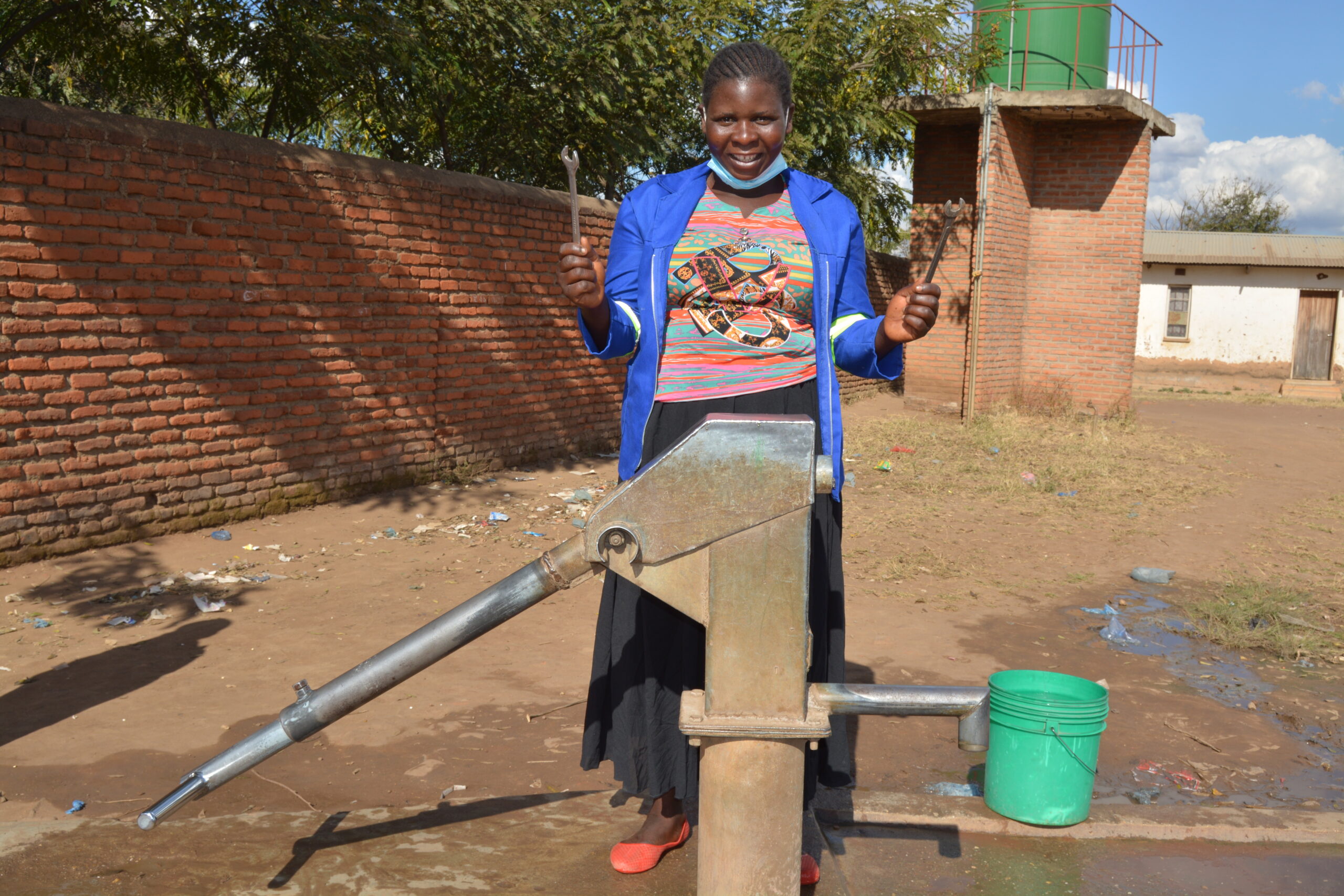
Some things however are typical: Pump Aid requires the beneficiary communities to contribute labour and materials, e.g. bricks and stones and sand or gravel, towards the pump installation, or digging of the latrine for sanitation. This reduces overall hardware costs of the pump or toilet and crucially helps to create a strong sense of ownership. This sense of ownership is further strengthened through training and educating community members in management and maintenance of their own water and sanitation solutions.

As we work mostly in remote and very poor areas, we use very simple technology and we manufacture locally, together with the beneficiary communities. We instruct community members in maintenance, so that they can maintain and repair their water pump when it needs fixing, as all mechanical things need maintenance and eventually will break. We also work with other organisations and government workers, for example to provide training on hygiene and sanitation we work with the District Extension Workers of the Ministry of Health, ensuring that our work makes a real impact on people’s lives and brings about a change in people’s behaviour and attitudes towards hygiene and sanitation. Through our monitoring and evaluation we measure the impact our work has on people’s health, food security, economic development, education and the position of women and girls, who are traditionally tasked with fetching water for their households.

For more information, please visit the Pump Aid Materials page and download a copy of the Pump Aid Impact Report for 2011-12.

Why?

9,100 children under the age of five die from diarrhoea in Malawi each year. Unsafe water also carries typhoid, trachoma, scabies and cholera. More…

How?

We have provided over 1.1 million people in sub-Saharan Africa with clean, safe and accessible water. We have only just begun. Our pumps save lives. More…

Who?

Founded in 1998, we raise money and build water pumps and sanitation facilities directly. This direct link from donation to pump guarantees the community’s needs are met. More…


Contact us: call 0207 290 7900 or email info@pumpaid.org for more information